Libby
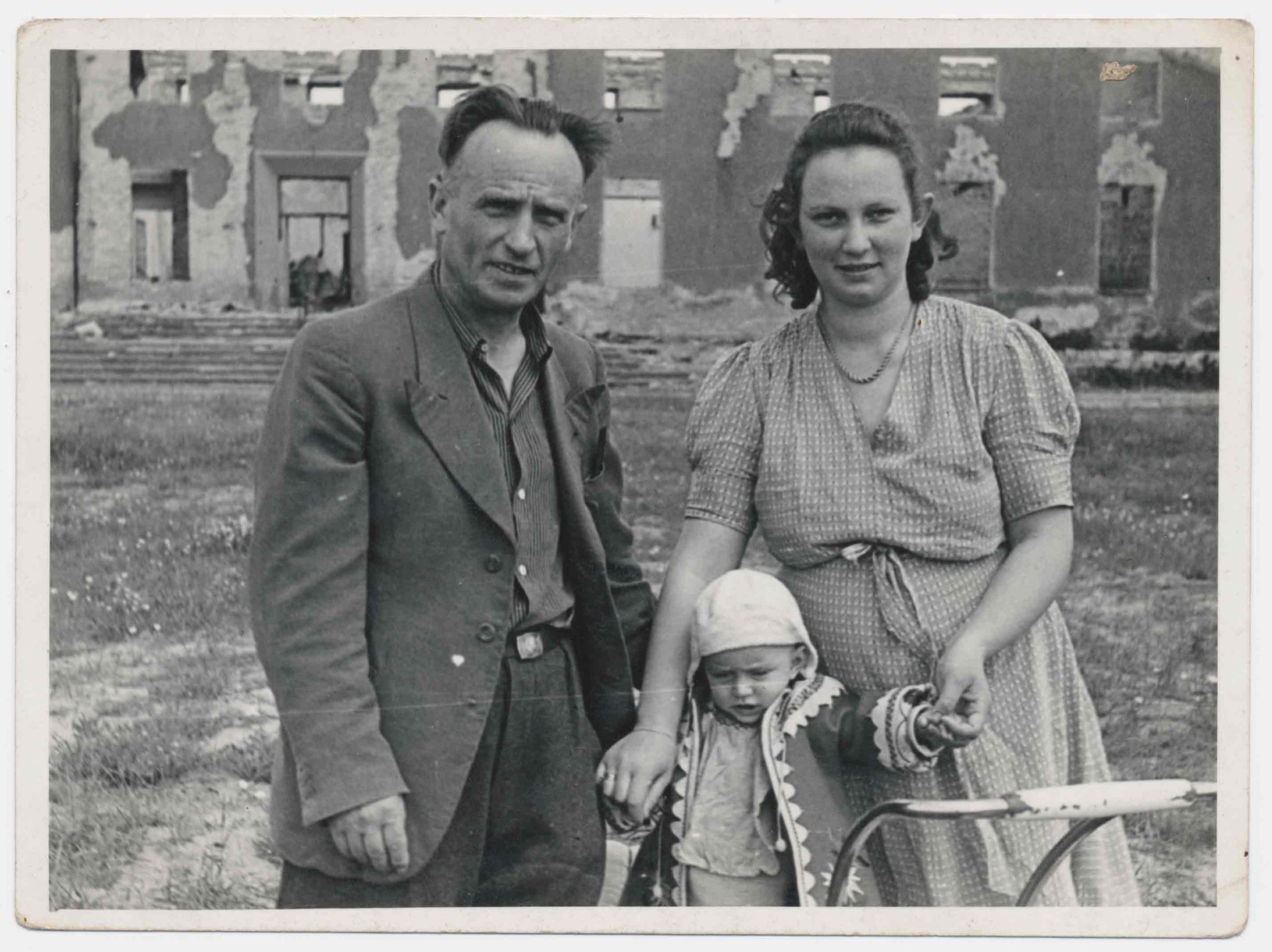
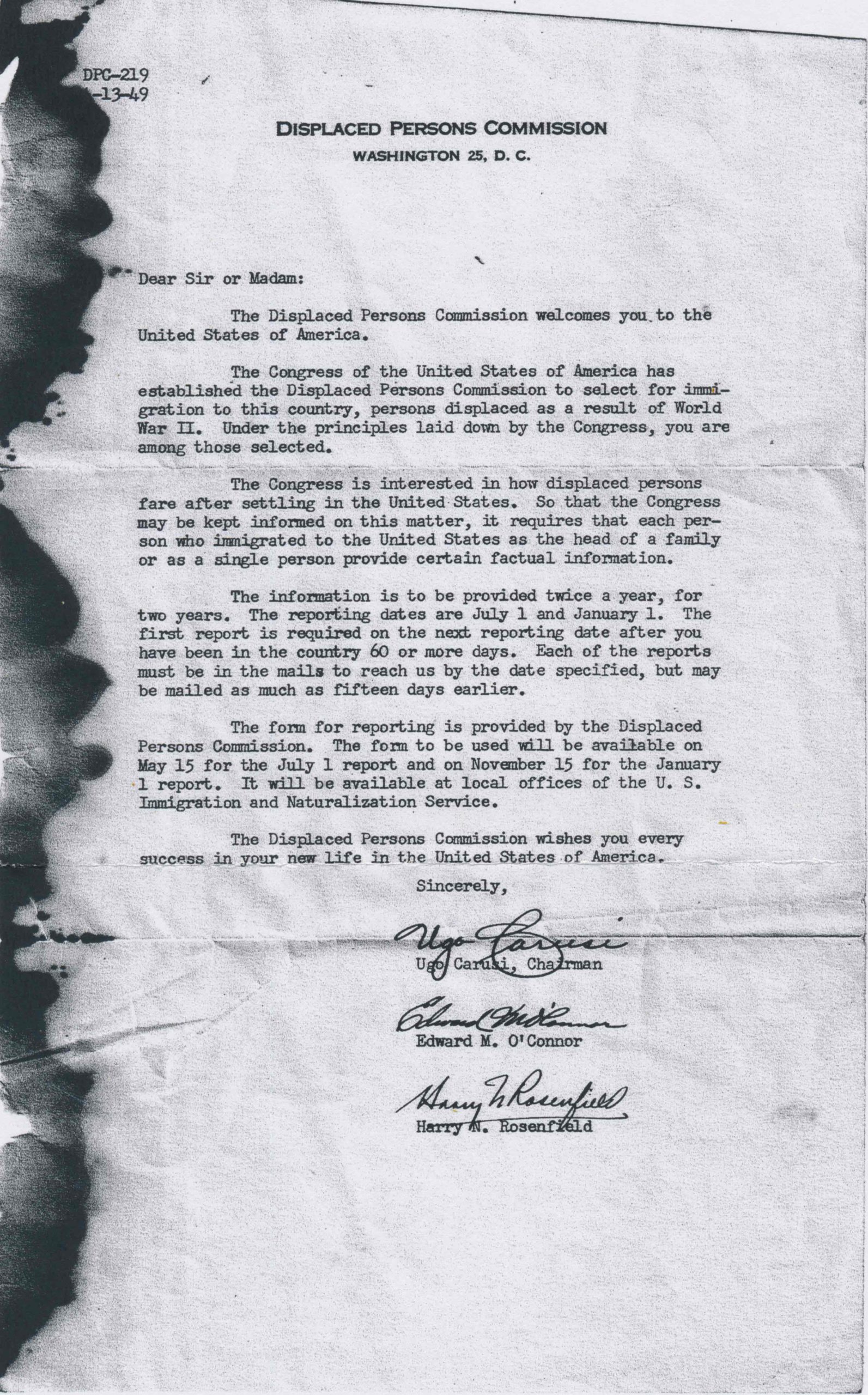
After liberation and the end of World War II, the few surviving members of my family moved west from Poland to Germany and France. My brother was born in Warsaw, Poland in 1945. I was born in a displaced persons camp in St. Ottilien, Germany in 1947. In 1849, my family – parents, maternal grandfather, brother, and I – disembarked in Boston, Massachusetts from the ship that had carried us from France to the U.S. My parents’ primary language was Polish, but they also spoke German, Russian, Ukrainian, and Hungarian; and my father had a command of English. German was my primary language. Unfortunately for my brother and me, English became our primary and only language. My family first settled in Baltimore, Maryland, then the Bronx in New York City, and finally in New Jersey. From the age of eight to 18, I grew up on a poultry farm in a small farming community in southern New Jersey.
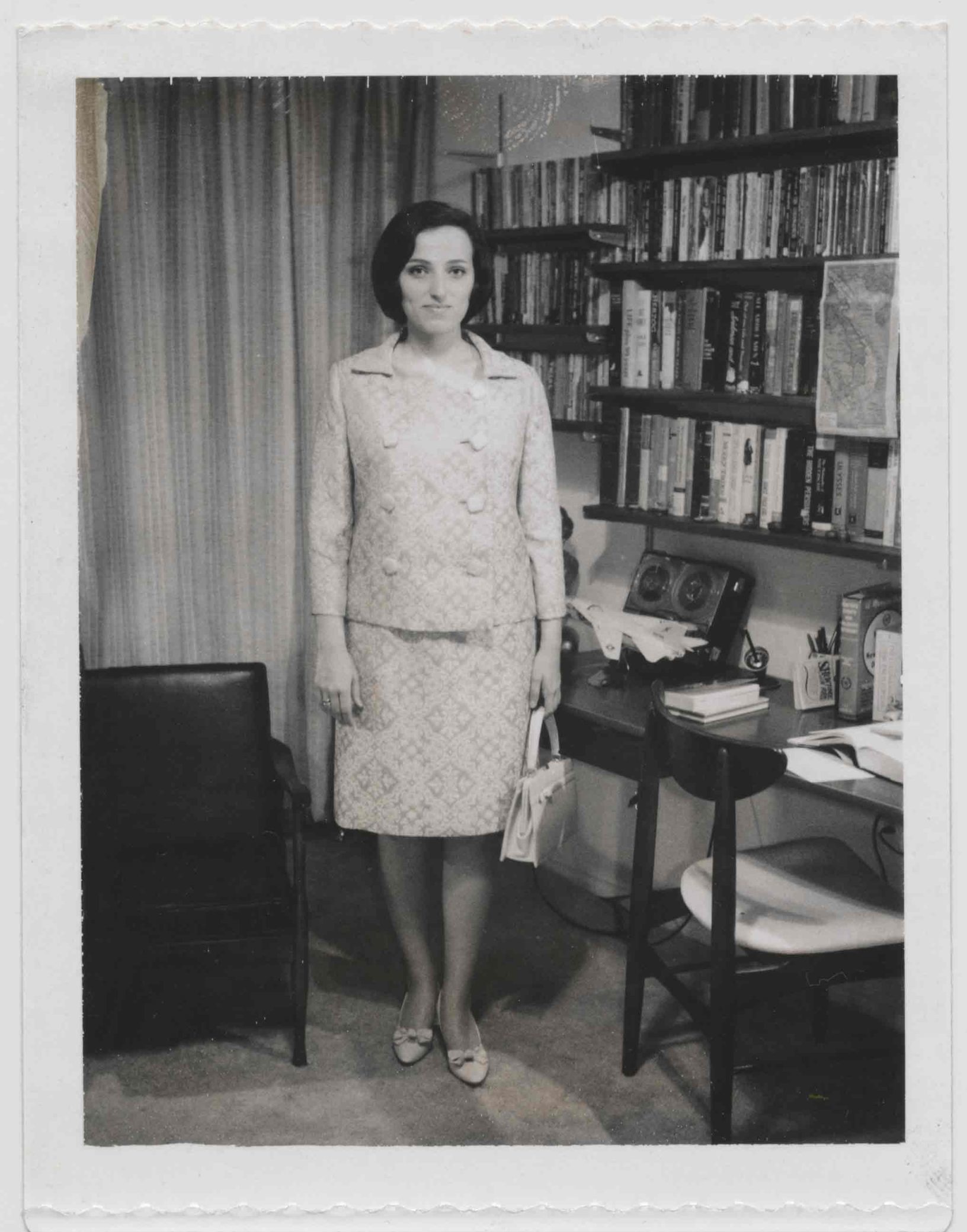
Our first years in the U.S. were a struggle. The same year that I started college, my parents relocated to Atlantic City, New Jersey, where they started a kosher catering business based on my mother’s exemplary and excellent cooking ability. Finally our family experienced some security and financial success. My brother became a physician. My father had hoped also to have a dentist in the family, but I preferred a career in education. I met my husband Bob in Atlantic City during summer vacation. Bob was not the man my parents would have picked for me, and they only reluctantly acquiesced to our plans to marry. Under those circumstances, I decided that the big and showy wedding they were planning would have been a farce. So I lied, told them Bob and I had had a major argument, that I wasn’t getting married and to call off the wedding. They were delighted. Bob and I eloped and were married in Philadelphia the day before my college graduation. My brother was present and was the witness to our marriage.
I was the first special education teacher in the Radnor, PA school district. My next position was as supervisor and then coordinator of the Learning Disabilities Program with the Montgomery County Intermediate Unit. Director of Special Education for Philadelphia public schools was my next position. But my goal was to teach at the college level. I earned my master’s and doctoral degrees at Temple University. In 1985, I joined the faculty of the College of Education, Penn State University. At the Penn State Graduate Education Center in Great Valley, PA, I served as coordinator of special education programs and then as education programs coordinator. I started as an assistant professor and was promoted to associate professor. My husband’s ill health was the primary factor in my decision to leave Penn State in 1986. My family needed me at home. I lost my husband in 2001. My son finished college in 2004 and returned home.
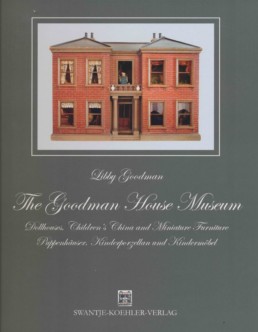
My husband loved the seashore. In 1984, we bought a large Victorian home in the historic district of Cape May, New Jersey. The house had five apartments. Our plan was to keep one apartment for ourselves and rent the other four units during the summer season. That same year, on a whim, I bought a large dollhouse at auction. I thought it would be fun to install it in the Cape May house. That was the first dollhouse in a collection that ultimately grew to 130 vintage dollhouses, toy kitchens and stores, and thousands of miniature furnishings and accessories. While sitting on our Cape May porch one summer, I remarked to my husband that I would love to have a museum in which to display and share my dollhouse collection. My husband, always supportive and encouraging, replied, “If that is what you want to do, do it.” So I did. Part of the Cape May house was converted to a museum, The Dollhouse and Miniature Museum of Cape May, which I ran for ten years. The museum was not profitable. In a good season the admission fees might just cover the expenses, but it was so much fun. I loved the visitors from all over the U.S. and so many foreign countries. Because of the museum I met other museum owners and curators and frequently traveled to Europe to visit the historic toy-making regions and the wonderful toy museums and private collections. Because of my museum and dollhouse collection, I had the opportunity to write for the magazine Dollhouse Miniatures. My column, which I wrote for ten years, was titled “Vintage Discoveries.” Early on, my collection – at the time only numbering 23 dollhouses – was featured on Fox TV on a show called The Collectors. For me, the museum was a “classroom” in which I was teaching about the significance of these vintage miniatures. For example, the attire of the dollhouse dolls is evidence of the evolution of the status of women before and after the First World War. The corseted, long-skirted, muttonchop-sleeved dresses of pre-war Europe gave way to knee-length, leg-revealing, loose-fitting smocks after the war. Judging by the doll clothing, women’s liberation was on the march. Life moves on and circumstances change. A few years after my husband’s death, the museum was closed and then the Cape May house was sold. The collection had to be sold as well. I kept about 25% of the collection and still enjoy sharing it with visitors to my residence in Philadelphia.
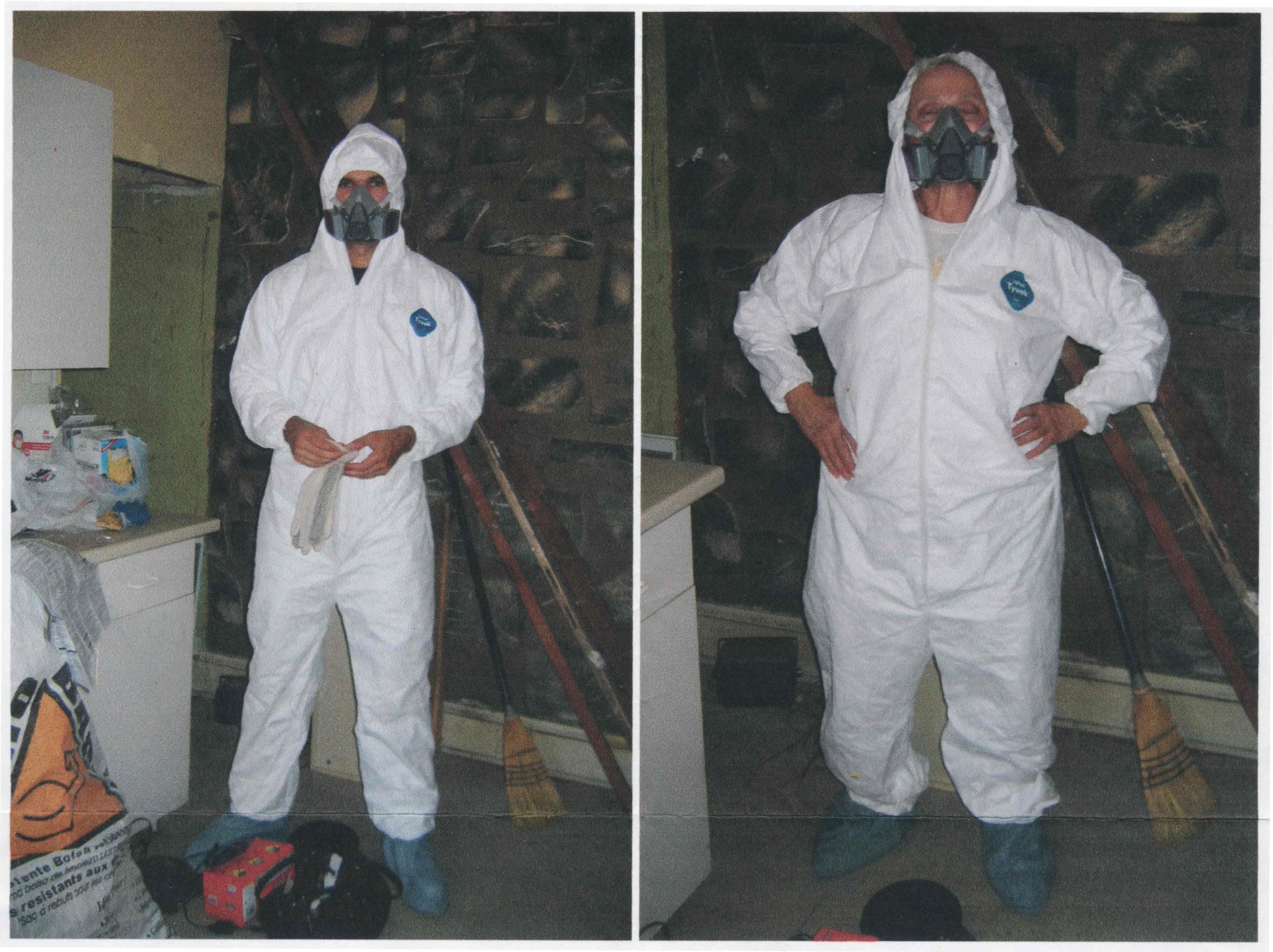
My business card bears the slogan “Houses large and small.” Small refers to dollhouses and large refers to other real estate. I bought my first investment property, in Philadelphia’s Fishtown neighborhood, with two teaching colleagues, while working for Philadelphia public schools. I love facilitating the transformation of old, rundown, neglected buildings into clean, modernized, and functional structures in which people can live and work. Since 2008, I have partnered with my son, David Rob, in real estate development. It has become a full-time job. I downsized from my large suburban house to a much smaller condo in Philadelphia – in a converted 1906 school building – to have more time for the demands of a growing real estate business. However, I could not resist a wonderful, circa 1861 Victorian house in the neighborhood. So I moved, hopefully for the last time, three blocks from my condo home to my Victorian home. Besides the amenities of more space, parking for two cars and a backyard, this house provides more and better spaces in which to display my beloved dollhouses.
Our first years in the U.S. were a struggle. The same year that I started college, my parents relocated to Atlantic City, New Jersey, where they started a kosher catering business based on my mother’s exemplary and excellent cooking ability. Finally our family experienced some security and financial success. My brother became a physician. My father had hoped also to have a dentist in the family, but I preferred a career in education. I met my husband Bob in Atlantic City during summer vacation. Bob was not the man my parents would have picked for me, and they only reluctantly acquiesced to our plans to marry. Under those circumstances, I decided that the big and showy wedding they were planning would have been a farce. So I lied, told them Bob and I had had a major argument, that I wasn’t getting married and to call off the wedding. They were delighted. Bob and I eloped and were married in Philadelphia the day before my college graduation. My brother was present and was the witness to our marriage.
I was the first special education teacher in the Radnor, PA school district. My next position was as supervisor and then coordinator of the Learning Disabilities Program with the Montgomery County Intermediate Unit. Director of Special Education for Philadelphia public schools was my next position. But my goal was to teach at the college level. I earned my master’s and doctoral degrees at Temple University. In 1985, I joined the faculty of the College of Education, Penn State University. At the Penn State Graduate Education Center in Great Valley, PA, I served as coordinator of special education programs and then as education programs coordinator. I started as an assistant professor and was promoted to associate professor. My husband’s ill health was the primary factor in my decision to leave Penn State in 1986. My family needed me at home. I lost my husband in 2001. My son finished college in 2004 and returned home.
My husband loved the seashore. In 1984, we bought a large Victorian home in the historic district of Cape May, New Jersey. The house had five apartments. Our plan was to keep one apartment for ourselves and rent the other four units during the summer season. That same year, on a whim, I bought a large dollhouse at auction. I thought it would be fun to install it in the Cape May house. That was the first dollhouse in a collection that ultimately grew to 130 vintage dollhouses, toy kitchens and stores, and thousands of miniature furnishings and accessories. While sitting on our Cape May porch one summer, I remarked to my husband that I would love to have a museum in which to display and share my dollhouse collection. My husband, always supportive and encouraging, replied, “If that is what you want to do, do it.” So I did. Part of the Cape May house was converted to a museum, The Dollhouse and Miniature Museum of Cape May, which I ran for ten years. The museum was not profitable. In a good season the admission fees might just cover the expenses, but it was so much fun. I loved the visitors from all over the U.S. and so many foreign countries. Because of the museum I met other museum owners and curators and frequently traveled to Europe to visit the historic toy-making regions and the wonderful toy museums and private collections. Because of my museum and dollhouse collection, I had the opportunity to write for the magazine Dollhouse Miniatures. My column, which I wrote for ten years, was titled “Vintage Discoveries.” Early on, my collection – at the time only numbering 23 dollhouses – was featured on Fox TV on a show called The Collectors. For me, the museum was a “classroom” in which I was teaching about the significance of these vintage miniatures. For example, the attire of the dollhouse dolls is evidence of the evolution of the status of women before and after the First World War. The corseted, long-skirted, muttonchop-sleeved dresses of pre-war Europe gave way to knee-length, leg-revealing, loose-fitting smocks after the war. Judging by the doll clothing, women’s liberation was on the march. Life moves on and circumstances change. A few years after my husband’s death, the museum was closed and then the Cape May house was sold. The collection had to be sold as well. I kept about 25% of the collection and still enjoy sharing it with visitors to my residence in Philadelphia.
My business card bears the slogan “Houses large and small.” Small refers to dollhouses and large refers to other real estate. I bought my first investment property, in Philadelphia’s Fishtown neighborhood, with two teaching colleagues, while working for Philadelphia public schools. I love facilitating the transformation of old, rundown, neglected buildings into clean, modernized, and functional structures in which people can live and work. Since 2008, I have partnered with my son, David Rob, in real estate development. It has become a full-time job. I downsized from my large suburban house to a much smaller condo in Philadelphia – in a converted 1906 school building – to have more time for the demands of a growing real estate business. However, I could not resist a wonderful, circa 1861 Victorian house in the neighborhood. So I moved, hopefully for the last time, three blocks from my condo home to my Victorian home. Besides the amenities of more space, parking for two cars and a backyard, this house provides more and better spaces in which to display my beloved dollhouses.